The Valuation Smile: Semi-Liquid Vehicles and the Arithmetic of Deferred Pain
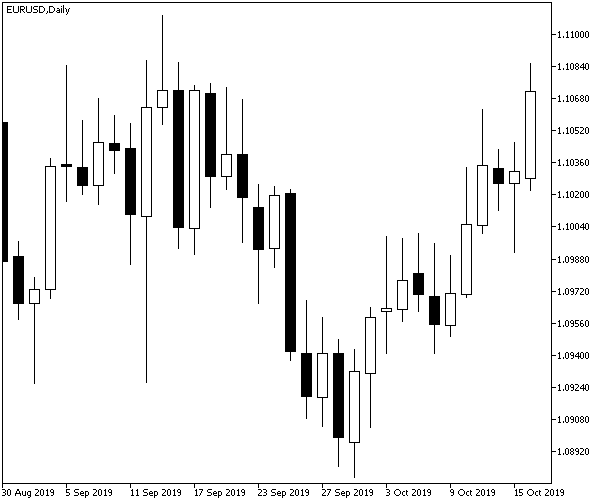
Photo: Enivid, CC BY-SA 4.0, via Wikimedia Commons
For most of the past decade, the dividing line between institutional and retail portfolios was drawn in ink: private equity, private credit, and venture capital sat on one side, daily-liquidity mutual funds on the other. That line has blurred. Interval funds, tender-offer funds, and evergreen vehicles now hold tens of billions of dollars raised largely from advisors, family offices, and retirement platforms — capital that was told it could have private-market returns with something resembling public-market access.
The industry's marketing has been remarkably effective. The industry's disclosure has been, charitably, quieter.
The Structure Is the Story
A semi-liquid vehicle is not a closed-end fund with a friendly interface. It is a specific set of promises stacked on top of each other: quarterly or semiannual tender offers, caps on repurchases (typically five percent per quarter under Rule 23c-3), and net asset values produced by the sponsor's own valuation process. Each promise is individually defensible. Together, they create a structure whose stability depends on conditions that have not yet been tested at scale.
Consider the mechanics. An interval fund commits to repurchase a fixed percentage of outstanding shares at NAV. In normal times, that cap is a formality. In a drawdown, it becomes a rationing device — the fund repurchases a small slice of what holders want to exit, at a price set by the manager who is still collecting fees on the assets leaving. The liquidity door opens, but it is a revolving door with a bouncer.
What the Marks Are Actually Saying
The deeper question is what the NAV represents. Public-market drawdowns are brutally transparent: a screen shows the loss before the investor finishes their coffee. Private-market marks arrive on a lag, smoothed by appraisal methodology, comparable-transaction analysis, and the honest judgment of professionals whose compensation is tied to the assets they are valuing.
This smoothing is not fraud. It is a methodology with known properties — and those properties change under stress. When transaction comparables dry up, appraisers lean harder on the last known data points, which are themselves stale. The result is a valuation that trails reality by quarters, not weeks. In a semi-liquid structure, that lag has consequences: early redeemers exit at marks that may overstate value, and the cost of that overstatement is borne by whoever remains. This is the classic first-mover problem, imported into a vehicle marketed on simplicity.
Some sponsors have begun publishing transaction-based NAV adjustments or third-party valuation overlays. These are welcome. They are also not yet the norm, and the norm is what matters when everyone heads for the exit simultaneously.
The Downturn Nobody Has Priced
The stress test for this structure has only partially occurred. The 2022 drawdown in public markets coincided with a private-market repricing that unfolded slowly and, in many credit strategies, barely at all. Redemptions stayed manageable because, for much of the period, retail flows were still arriving — new subscriptions papered over old exits. A vehicle can meet redemptions indefinitely as long as the inflow side of the ledger keeps moving. The genuine test arrives when flows reverse: a sustained outflow cycle in which the repurchase cap binds, the tender offer is oversubscribed, and the mark on the statement diverges visibly from the price at which the fund is willing to transact.
When that happens, expect three things. First, a wave of gating headlines that will be framed as prudent governance but will read, to the end investor, as a broken promise. Second, regulatory attention from the SEC, which has already signaled interest in valuation practices and liquidity risk management at closed-end and interval structures. Third, a repricing of the entire category's distribution economics, because advisory platforms are exquisitely sensitive to client complaints.
Allocation Consequences
For institutional allocators, the implications are practical rather than philosophical. Semi-liquid vehicles can serve a legitimate role — access to strategies with genuine diversification benefits, in wrappers that fit platform constraints. But the allocation case should be built on the underlying assets, not the wrapper's convenience, and the liquidity profile should be underwritten as shorter and more fragile than the offering documents imply.
Three underwriting questions deserve a place in every diligence memo. How much of the NAV is marked by a third party, and how recently? What did the fund do — not say, do — during its worst quarter, in terms of repurchase fulfillment? And what is the fund's true capacity to meet five percent quarterly redemptions for four consecutive quarters without asset sales into a weak market?
The answers will not be comfortable. They rarely are. But the cost of asking them now is a difficult memo; the cost of not asking is a difficult phone call later, placed during the quarter when the door is already crowded.